
• 145, Sector-16, HSIIDC, Bahadurgarh, Haryana, India
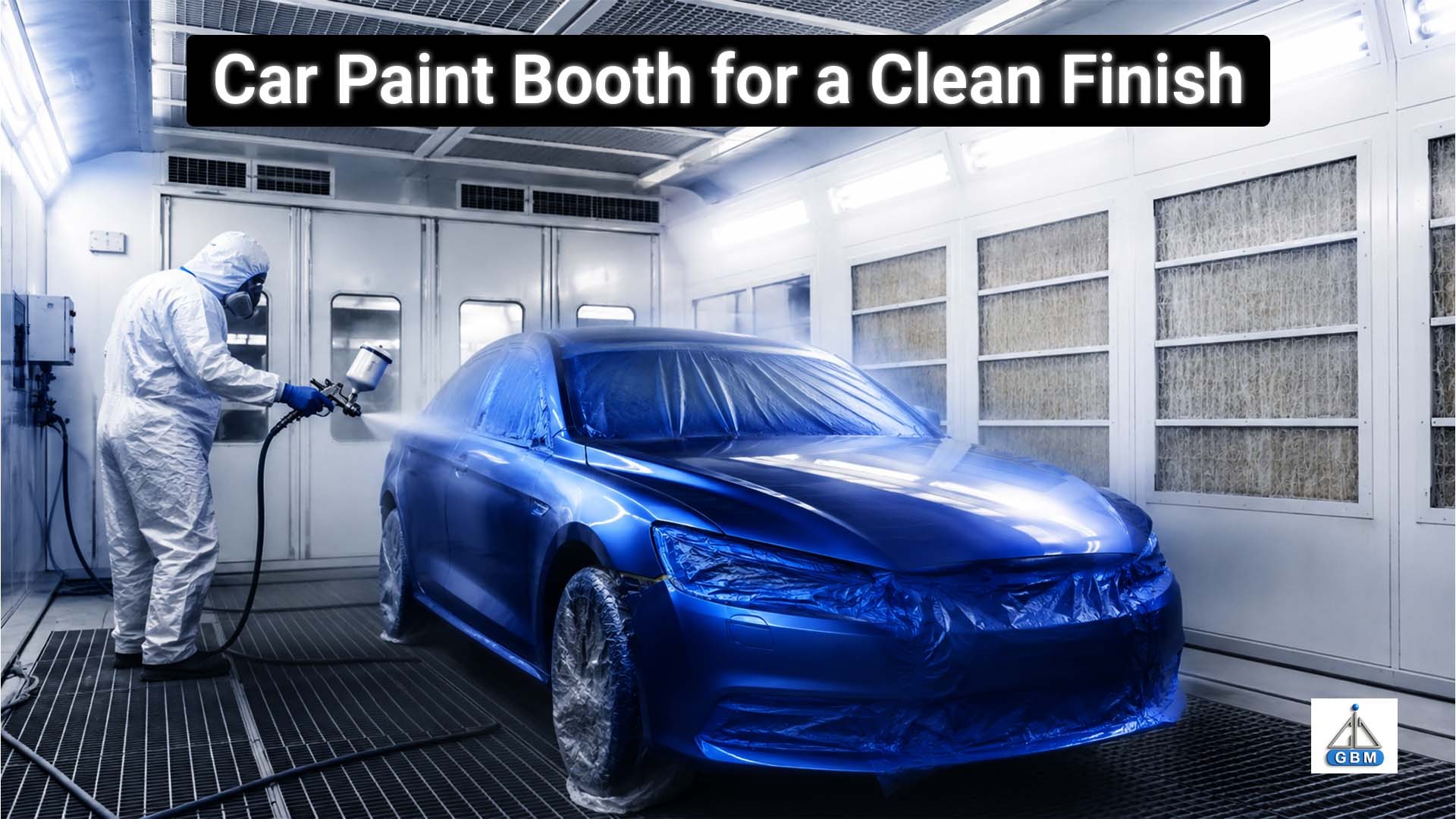
Car Paint Booth for a Clean Finish: Stop Dust, Overspray, and Dirt From Ruining Your Paint Job

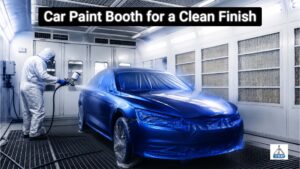
Car Paint Booth for a Clean Finish

Have you ever stepped back to look at a fresh coat of paint on a car? Then you spot tiny dust specks stuck in the paint. This is annoying. It also happens a lot.

A patchy paint job looks bad. It costs you time and money. It can also lose you customers. The good news? This problem can be reduced a lot with the right setup.

In this article, we explain why paint jobs turn out dusty or uneven. We also show how a car paint booth can help you avoid these problems. We focus on one type: the Dry Back Paint Booth.

Why Does Your Paint Job Look Dusty or Patchy?

Let’s look at the cause first. Most shops that spray paint in open spaces face the same problems:

  • Dust and dirt land on wet paint before it dries
  • Bad airflow blows in dirt, bugs, and lint
  • Overspray floats around and lands back on the car
  • Heat and humidity change how paint dries
  • Poor airflow traps fumes and dust in the same space as the wet paint

If you spray paint in an open garage or shed, you fight the environment every time. Even a great painter struggles in a bad workspace. The space itself becomes a big part of the problem.

The Fix: A Controlled Paint Booth

The best way to stop these problems is simple. Spray inside a sealed, filtered space. That’s what a paint booth does. A good paint booth gives you:

  • Filtered air that flows in and keeps dust out
  • A system that catches overspray before it lands back on the car
  • More consistent airflow, and steadier temperature where a heating option is fitted
  • An exhaust system that pulls dirty air out safely

This helps protect both the paint job and the painter.

The type of booth matters a lot. For most small and mid-size auto body shops, the Dry Back Paint Booth is a practical and popular choice.

Types of Paint Booths: A Quick Compare

Not all paint booths work the same way. Here’s how the main types differ, so you can see where a Dry Back Booth fits in:

Booth TypeHow Air MovesBest For
Dry Back BoothAir flows in from the front, out through dry filters at the backSmall to mid-size shops that want a low-cost, low-upkeep setup
Semi Down Draft (Side Draft) BoothAir flows in from the upper front, out sideways or diagonally through filtersShops that want a cleaner finish without the cost of a full down draft
Vertical Down Draft BoothAir flows straight down from the ceiling, out through a floor-level exhaust or pitHigh-volume shops that need the best possible finish and airflow
End Draft BoothAir flows in from the front, out through rear filtersSmall to mid-size shops that want simple, low-cost airflow
Pressurized Painting cum Baking BoothPositive air pressure keeps dust out during spraying; the same booth switches to heat mode to cure the paintShops that want to paint and cure in one space, with faster turnaround
Retractable Dry Spray BoothDry filters trap overspray; the booth frame extends for use and folds away afterShops with limited floor space that still need a proper spray area

A Dry Back Booth sits at the simple, budget-friendly end of this list. It still helps control dust and overspray well, which is why so many small and mid-size shops pick it. See our full Dry back painting booth range for size and spec options.

Paint Booth Trolley Systems

Many booths can also work with a trolley system. This is a rail-mounted trolley that moves parts in and out of the booth. It holds panels, parts, or small structures in place during spraying, drying, and curing. Trolleys are made from heat-resistant, corrosion-proof materials, so they hold up well inside industrial ovens. This setup speeds up batch work and keeps the coating quality consistent from one part to the next.

Painting Beyond Cars: Where Else These Booths Work

Paint booths aren’t just for cars. The same filtered, controlled-airflow design works well for:

  • Automotive: cars, luxury buses, and other vehicles
  • Aerospace: aircraft parts and components
  • Heavy engineering: wind turbine blades, rotor assemblies, and large structures
  • Manufacturing: machinery parts, cabinets, and other industrial products

Because of this, many booths — including Dry Back models — can be fully customized. Shop owners can adjust the size, filter grade, airflow rate, and heating options to fit their exact product line, instead of settling for a one-size-fits-all setup.

Why a Dry Back Paint Booth Works So Well

A Dry Back Paint Booth uses dry filters at the back of the booth. These are usually made of paper or fiberglass. They trap overspray. This booth does not use a water curtain system. Here’s why this design gives you a clean finish:

  1. Overspray is much less likely to land back on the car. Dry filters pull overspray out through the exhaust quickly, so it has far less time to settle on the wet paint.
  2. Clean air comes into the booth. Intake filters remove dust and dirt from the air before it reaches the car. This alone can cut down a large share of dust problems.
  3. No water, no sludge, no extra moisture. Unlike water wash booths, a dry back booth adds no humidity to the space. This supports more even drying and helps you get a smoother finish.
  4. Low upkeep keeps the booth working well. Water wash systems need regular cleanup and pump care. Skip this, and the booth (and your paint job) suffers. Dry filters are easy to check and swap. This keeps the booth working well with less effort than a water wash system.
  5. Great results at a lower cost. Not every shop needs a full water-wash system. A dry back booth can give you professional-quality results at a lower cost and shorter setup time than a water wash booth.

What to Look for: Key Specs

When you pick a Dry Back Paint Booth, check these points:

  • Airflow rate (CFM): This tells you how fast the booth moves air. Higher airflow clears overspray and fumes faster.
  • Filter grade: Intake and exhaust filters come in different efficiency ratings. Higher-grade filters catch more dust and overspray.
  • Booth size: Booths come in different lengths and widths. Pick one that fits your largest vehicle, plus room to walk around it.
  • Blower/motor power: This drives the airflow. It should match your booth size for steady, even air movement.
  • Lighting: Look for booths with bright, even lighting. This helps painters spot flaws before the paint dries.

Installation and Space Needs

Before you buy a booth, plan for these basics:

  • Floor space: You need enough room for the booth itself, plus space to open doors and move around the car.
  • Ceiling height: Check your shop’s ceiling height against the booth’s height, including any ducting.
  • Power supply: The blower and motor need a stable power connection. Confirm your shop’s electrical setup can handle it.
  • Ducting and exhaust routing: Plan where the exhaust air will exit the building, away from doors, windows, or other work areas.
  • Setup time: A Dry Back Booth is simpler to install than a water wash booth, since there’s no plumbing or water system to set up. Installs can usually be planned around your shop’s regular work schedule to keep downtime low.

Safety and Compliance

A paint booth isn’t just about finish quality — it’s also about running a safe, compliant shop. Keep these points in mind:

  • Fire safety: Paint fumes are flammable. Booths should use explosion-proof electrical fittings and lighting.
  • Ventilation standards: Proper exhaust keeps fume levels safe for painters working inside the booth.
  • Pollution control compliance: Many regions require auto body shops to meet local pollution control board (PCB) rules for fume and particulate release. Check your local requirements before installation.
  • Painter safety gear: Even with a good booth, painters should still use masks and protective gear while spraying.

Always confirm current local rules with your local authority, since requirements can vary by region.

Maintenance Schedule

A Dry Back Booth is low-upkeep, but it still needs regular care to keep working at its best:

  • Intake filters: Check weekly. Replace when they look dirty or clogged, or airflow feels weaker.
  • Exhaust filters: Check after each job or every few jobs, depending on how much you spray. Replace once they’re saturated with overspray.
  • Lighting and fittings: Wipe down monthly to keep light levels bright and even.
  • Blower and motor: Have a technician inspect these every few months to catch wear early.

Sticking to a simple schedule like this helps your booth run well for years and reduces the risk of major repairs.

Frequently Asked Questions (FAQs)

How long does paint take to dry inside a Dry Back Booth?
Drying time depends on the paint type and booth temperature, but a controlled booth environment speeds up even, consistent drying compared to open-air spraying.
Yes. Its lower setup cost and simple upkeep make it a popular first booth for small and mid-size shops.
A Dry Back Booth uses dry filters to trap overspray. A water wash booth uses a water curtain instead. Dry back setups need less maintenance and add no moisture to the spraying space.
Yes, with a regular filter check and replacement schedule, it can handle daily spraying and help maintain consistent finish quality.
Basic training on booth operation, filter changes, and safety gear is recommended for anyone operating the booth.
Yes. Some booths, like a Pressurized Painting cum Baking Booth, combine spraying and heat-curing in one space. This can cut drying time and speed up your workflow.
Yes. Booth size, filter grade, airflow rate, and heating options can usually be adjusted to fit your space, your vehicle sizes, and your production volume.

What a Dry Back Paint Booth Fixes

Problem in Open Spraying How a Dry Back Booth Fixes It
Dust and dirt on wet paint Filtered air helps keep dirt out
Overspray landing back on the car Exhaust filters remove it quickly
Uneven finish from weather or humidity A more controlled spraying space (with heating or climate options where needed)
High upkeep with water systems Easy filter swaps, low upkeep
Fume and safety concerns Controlled exhaust and explosion-proof fittings

The Bottom Line

A clean, pro-level paint finish isn’t just about skill or good paint. It’s about where you spray. Reduce dust and overspray in the mix. Then the same painter and the same paint can give you noticeably better results. For auto body shops that want a low-cost, low-upkeep, and reliable fix, a Dry Back Paint Booth is often a smart first buy. It tackles the clean finish problem at the source, so you spend far less time fixing it panel by panel. Ready to upgrade your shop’s paint quality? Check out our Dry back painting booth page for booth sizing, a site visit, and a setup plan that fits your workspace.
Our Recent Blog
Request A Callback